Source 440c professional hairdressing scissors for salons, barbers, and stylists
Compare 30 listings of 440c professional hairdressing scissors from verified Chinese manufacturers. Buyers can evaluate blade materials, hardness ratings, and customization options for salon and barber applications.
Key considerations
Products List


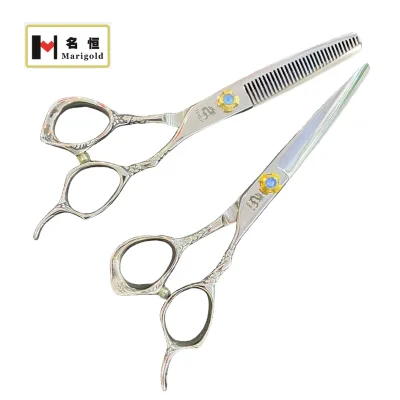
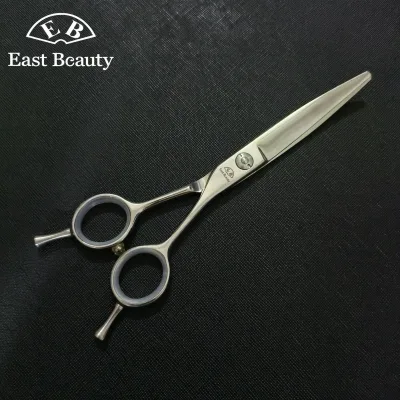
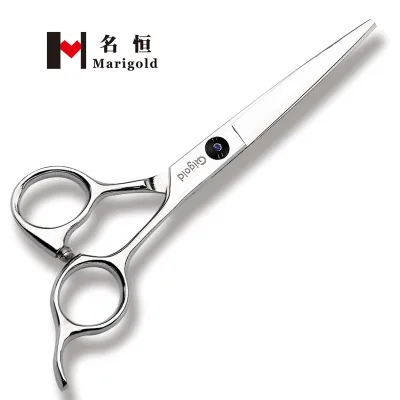
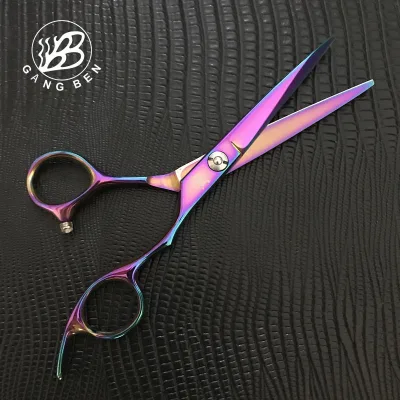


Comprehensive Sourcing Guide
440c Professional Hairdressing Scissors Sourcing Guide
Sourcing high-performance cutting tools requires a nuanced understanding of material science, manufacturing precision, and commercial terms. While the core keyword suggests a specific steel grade, the actual market landscape for professional hairdressing scissors is diverse, with many suppliers offering variations in metallurgy and finish. Buyers must navigate between generic stainless steel options and premium alloys, ensuring that the selected tool meets the ergonomic and durability demands of professional barbers and stylists. This guide provides a structured approach to evaluating listings, verifying technical claims, and establishing reliable supply chains for these specialized instruments.
The procurement process for hairdressing scissors is not merely about purchasing a sharp blade; it involves securing a system of precision-engineered components. From the convex or straight blade types to the offset handles and CNC precision screws, every element contributes to the final cutting performance. Buyers should approach this category with a focus on customization capabilities and supply chain transparency, as many manufacturers operate on a make-to-order basis. Understanding these operational models is critical for managing inventory, lead times, and quality consistency across large orders.
Product Scope and Observed Listing Signals
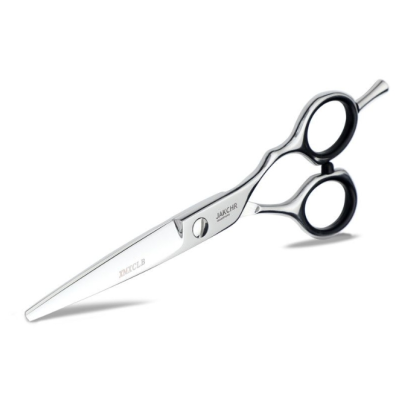
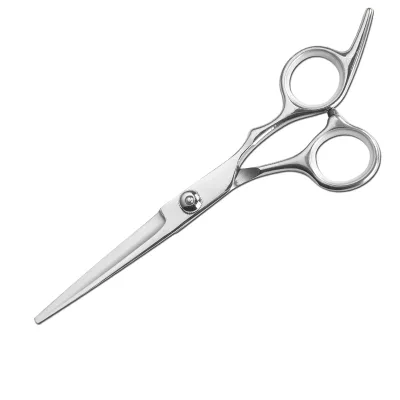
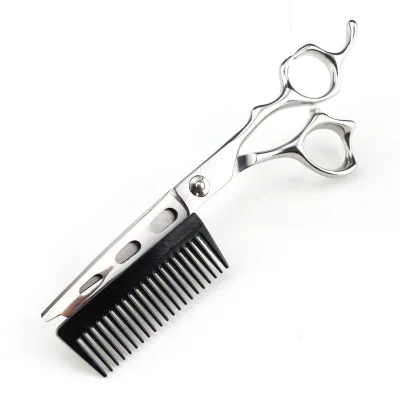
The current market for professional hairdressing scissors presents a wide range of product attributes that buyers must carefully interpret. Listings frequently highlight features such as stainless steel construction, with specific mentions of Sweden Damascus Steel and other high-carbon variants. The observed product count indicates a robust supply base, yet the diversity in specifications—from 5.5-inch to 7-inch sizes and various color options like silver, black, and colored finishes—requires buyers to define their exact needs before engaging with suppliers. The presence of both straight and convex blade types suggests that suppliers cater to different cutting techniques, including thinning and general haircutting.
Commercial signals in the market reveal significant variability in pricing and minimum order quantities (MOQ). The observed price range spans from low-cost entry-level options to premium-priced professional tools, reflecting differences in material quality, craftsmanship, and branding. MOQs can range from single units for sampling to large bulk orders, indicating that suppliers are flexible but may prioritize volume for standard models. Buyers should note that many products are labeled with terms like "Cheap Hair Scissors" or "Professional Barber Salon" use, which may indicate marketing positioning rather than a strict quality tier. It is essential to look beyond these titles and examine the detailed specifications provided.
Technical Specifications to Verify
Material composition is the most critical technical factor in determining the longevity and sharpness retention of hairdressing scissors. While some listings specify 440C or Sweden Damascus Steel, others simply state "Stainless Steel" or "OEM Material." Buyers must verify the exact steel grade, as this directly impacts hardness, corrosion resistance, and edge retention. The observed hardness range of 52~54HRC is a common benchmark for professional scissors, but higher-end tools may exceed this. It is crucial to confirm whether the steel is fully hardened and tempered, and to request material certificates if the application demands strict metallurgical compliance.
Precision engineering and ergonomic design are equally important for professional usability. Key specifications to verify include the blade tip sharpness, handle offset design, and the quality of the pivot screw. The use of CNC precision screws is a positive indicator of manufacturing quality, as it ensures consistent tension and smooth operation. Additionally, the blade type—whether straight for general cutting or convex for specialized techniques—must align with the stylist’s workflow. Buyers should also check the available sizes, which typically range from 5 to 7 inches, and confirm that the supplier can accommodate custom sizes if standard options do not meet specific requirements.
Compliance and Safety Documentation
Certification and safety standards play a vital role in ensuring that hairdressing scissors meet international quality and safety requirements. The observed market includes products with CE and SGS certifications, which indicate compliance with European safety standards and third-party quality verification. Buyers should request copies of these certificates to verify their validity and scope, ensuring that the specific models ordered are covered. It is important to note that certifications may vary by supplier and product line, so due diligence is necessary to confirm that the documentation applies to the exact items being procured.
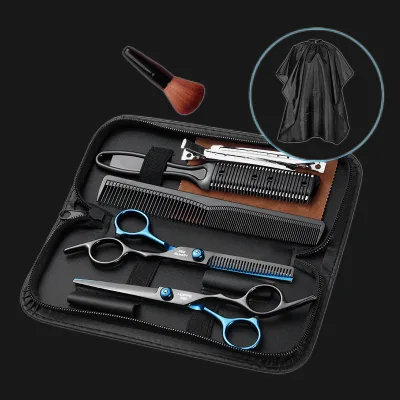
Packaging and labeling standards are also part of the compliance landscape, particularly for international shipping and retail readiness. Products are often packed in PVC bags, inner boxes, or OPP bags, with carton packaging used for bulk shipments. Buyers should verify that the packaging protects the scissors from damage during transit and includes necessary labeling, such as country of origin and material composition. Custom packaging options are available, allowing brands to enhance their market presence, but this may impact lead times and costs. Ensuring that all documentation and packaging meet the regulatory requirements of the destination market is essential to avoid customs delays or product rejections.
Cost Drivers and Commercial Terms
Several factors influence the final cost of professional hairdressing scissors, with material quality and customization being primary drivers. Premium steels like Damascus or high-carbon stainless steel command higher prices due to their superior performance and manufacturing complexity. Customization options, such as client logos, specific handle colors, or unique blade designs, add to the production cost and may require higher MOQs. Buyers should understand that lower-priced items may use standard stainless steel with less precise finishing, while higher-priced options offer enhanced durability and ergonomic features.
Commercial terms, including MOQs and payment conditions, vary significantly across suppliers. The observed MOQ range from 1 to 10,000 units suggests that some suppliers are willing to accommodate small trial orders, while others focus on large-scale production. Buyers should negotiate terms that align with their inventory strategy, considering factors like storage costs and sales velocity. Additionally, supply type, such as make-to-order, can affect lead times and pricing flexibility. It is advisable to clarify all commercial terms upfront, including shipping costs, return policies, and warranty provisions, to avoid unexpected expenses later in the procurement process.
Supplier Qualification and Quality Control
Evaluating supplier qualifications is essential for ensuring consistent quality and reliable delivery. Buyers should assess the supplier’s production experience, with many claiming over 20 years in the industry, which often correlates with refined manufacturing processes and quality control systems. Verification of factory audits, production capacity, and quality management certifications can provide additional confidence in the supplier’s ability to meet specifications. It is also important to check the supplier’s responsiveness to sample requests, as quick sample provision is a key indicator of their commitment to customer satisfaction and quality assurance.
Quality control measures should be integrated into the procurement process to minimize defects and ensure product consistency. Buyers should establish clear quality standards, including tolerances for blade alignment, handle comfort, and surface finish. Implementing pre-shipment inspections or third-party quality checks can help identify issues before goods are dispatched. Additionally, suppliers should provide a clear process for handling defects or returns, ensuring that any non-conforming products are addressed promptly. Building a strong relationship with the supplier through regular communication and feedback can further enhance quality outcomes and operational efficiency.
Long-Term Procurement Checks
Sustaining a successful procurement strategy for hairdressing scissors requires ongoing monitoring and relationship management. Buyers should regularly review supplier performance metrics, including on-time delivery rates, product quality consistency, and responsiveness to issues. Establishing a structured feedback loop with the supplier can help identify areas for improvement and foster continuous enhancement of the product and service. It is also important to stay updated on market trends and technological advancements in hairdressing tools, ensuring that the procured products remain competitive and relevant.
Long-term contracts and volume commitments can offer benefits such as price stability and priority production, but they require careful risk assessment. Buyers should evaluate the supplier’s financial stability and operational resilience to ensure they can meet long-term obligations. Additionally, diversifying the supplier base can mitigate risks associated with single-source dependencies, providing flexibility in case of supply chain disruptions. Regularly revisiting procurement strategies and adapting to changing market conditions will help maintain a competitive edge and ensure the continued success of the hairdressing business.
FAQs
What materials are used for the blades and handles?
The blades are made of stainless steel, specifically Sweden Damascus Steel, while the handles are constructed from steel. This combination ensures durability and a professional finish suitable for heavy salon use.
Can I request a custom logo on the scissors?
Yes, customization is available including the addition of a client logo. These items are supplied on a make-to-order basis, allowing for personalized branding options for professional barbers and salons.
Which certifications do these hair scissors hold?
The products hold CE and SGS certifications to ensure safety and quality standards. These verified credentials confirm the manufacturing process meets international requirements for professional hairdressing tools.
What is the hardness rating of the blade steel?
The blade hardness is rated between 52 and 54 HRC. This specific hardness level provides an optimal balance between edge retention and resistance to chipping during professional cutting tasks.
How are the scissors packaged for shipping?
Packaging options include PVC bags with inner boxes and cartons, or OPP bags depending on the model. Custom packaging is also available to meet specific client requirements for retail or wholesale distribution.
What sizes are available for these hair scissors?
Available sizes range from 5 inches to 7 inches, including specific models like 6 inches and 6.5 inches. Customized sizes can also be requested to fit specific stylist preferences or tool requirements.
Can I get a quick sample test before bulk order?
Yes, quick sample tests are provided to verify product quality before committing to a larger order. This allows buyers to assess the comfort, grip, and cutting performance of the scissors firsthand.